


Moneta Markets Receives UAE Category 5 Licence
Moneta Global Financial Services LLC has received a Category 5 licence from the UAE Capital Market Authority, establishing a regulated structure for the company’s activities in the country.
Original

简体中文
繁體中文
English
Pусский
日本語
ภาษาไทย
Tiếng Việt
Bahasa Indonesia
Español
हिन्दी
Filippiiniläinen
Français
Deutsch
Português
Türkçe
한국어
العربية
اردو




Abstract:To ensure transparency, the Reserve Bank of India (RBI), which regulates the country’s foreign exchange market, places certain rules on buying and selling currencies and other transactions.
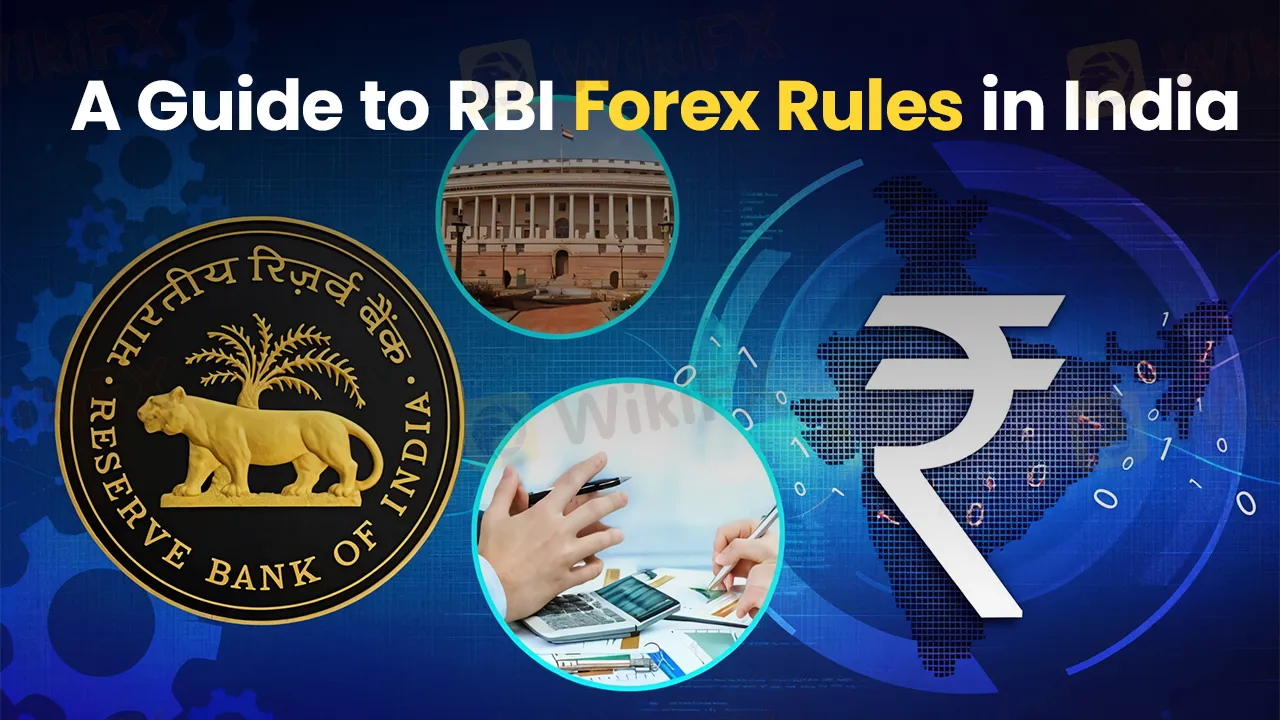
Indias foreign exchange market is $60 billion strong and counting. The growing participation from retail and institutional traders, brokers, investment funds, banks, and commercial enterprises resulted in almost doubling the market size over four years from 2020 to 2024.
While that‘s remarkable, there are cases of scams that somewhat dampen investors’ confidence. To ensure transparency, the Reserve Bank of India (RBI), which regulates the countrys foreign exchange market, places certain rules on buying and selling currencies and other transactions.
So, if you are new to Indias foreign exchange market, you should be aware of RBI forex rules.
Lets first check the need for foreign currencies before looking at the rules.
You need foreign currencies when making international transfers or traveling overseas. The RBI governs forex transactions in accordance with the Foreign Exchange Management Act (FEMA) regulations.
Its important to engage in forex trading through authorized dealers only. The RBI, on its website, has mentioned both authorized and unauthorized forex brokers. Trading through authorized brokers can prevent you from unwanted forex scams.
Also, if you want to invest in currency derivatives such as futures and options, you can do it on domestic stock exchanges such as the Bombay Stock Exchange (BSE), the National Stock Exchange (NSE), the Metropolitan Exchange of India (MSE), or the Securities Exchange Board of India (SEBI)-approved brokers.
Outward remittances mean transferring funds by resident Indians to recipients in another country to meet various needs such as travel, education, or medical expenses overseas. This type of remittance must meet the guidelines mentioned under the Liberalized Remittance Scheme (LRS).
The LRS rules stipulate that resident Indians can transfer a maximum of US$ 25,000 in a calendar year for permissible capital or current account transactions or both.
According to RBI forex rules for outward remittance, the central bank has approved AD Banks (Authorized Dealer -1) and Money Changers with AD-II category license (Authorized Dealer - II) to facilitate fund transfers overseas.
The RBI guidelines for outward remittance further stipulate fund transfers as per the approved purposes and upon submitting the Know Your Customer (KYC) documents.
Following these rules makes you eligible to sell foreign currencies.
Yes, resident individuals can undertake foreign exchange transactions as per the RBI forex rules. However, the RBI allows this with authorized persons and for approved purposes in line with the FEMA regulations.
Authorized individuals are the entities allowed by the RBI to deal in foreign currencies. They can be a money changer, authorized dealer, offshore banking unit, or any other individual registered under Sub-Section (1) of Section 10 of FEMA.
Yes, they can, but only on electronic trading platforms (ETPs) authorized by the RBI for this purpose. You can also do this on recognized stock exchanges such as the BSE, NSE, and MSEI.
Yes, you can check the list of both authorized and unauthorized forex dealers on the RBI’s website.
Disclaimer:
The views in this article only represent the author's personal views, and do not constitute investment advice on this platform. This platform does not guarantee the accuracy, completeness and timeliness of the information in the article, and will not be liable for any loss caused by the use of or reliance on the information in the article.
Moneta Global Financial Services LLC has received a Category 5 licence from the UAE Capital Market Authority, establishing a regulated structure for the company’s activities in the country.
Did LMAX Group deny you withdrawals citing frozen funds at the wallet service provider’s end? Have you been so exhausted by the endless withdrawal hassles that you have begun to stop investing in the platform? Has this UK-based liquidity provider even questioned your fund ownership status when you requested withdrawals? You are not alone! Many users have complained about these issues while sharing their LMAX Group reviews.
A fresh Pune police probe has reportedly booked 57 people in connection with an alleged forex investment scam involving a trading platform. This India-focused report separates the allegation from confirmed regulatory rules, explains how fake trading app scams use social media, fabricated profits, third-party bank accounts and blocked withdrawals, and shows how investors can verify an online forex trading platform through RBI and SEBI resources. It also places the case within Pune's wider pattern of online investment fraud and provides an immediate response checklist, including the National Cyber Crime Reporting Portal and helpline 1930.
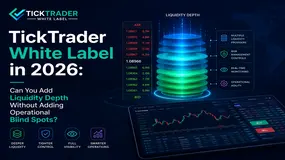
A TickTrader white label can look like the fastest route to a modern branded trading environment, but a fast launch is not the same as a controlled launch. This 2026 broker guide explains what the TickTrader platform is, where a Soft-FX broker solution can sit in a wider operating stack, and how to evaluate the difference between a white label, a server licence, and a connected CRM or Client Office setup. It also unpacks TickTrader cost beyond the monthly headline, including implementation, integration, support, data, governance, migration, and exit assumptions. Use the practical questions, workflow tests, comparison table, and launch checklist to assess a Soft-FX TickTrader provider without mistaking a feature demo for evidence that your brokerage can run the service safely at scale.
WikiFXWikiFXWikiFXWikiFXWikiFXWikiFXWikiFXWikiFXWikiFXWikiFX