
Global Broker Regulation Inquiry App
About WikiFX


Where has Venezuela’s oil money gone? $12 billion in US-overseen exports leaves missing funds

WikiFX
|


Abstract:Over $12 billion in Venezuelan oil revenue has raised questions over missing funds, conflicting estimates and US oversight.
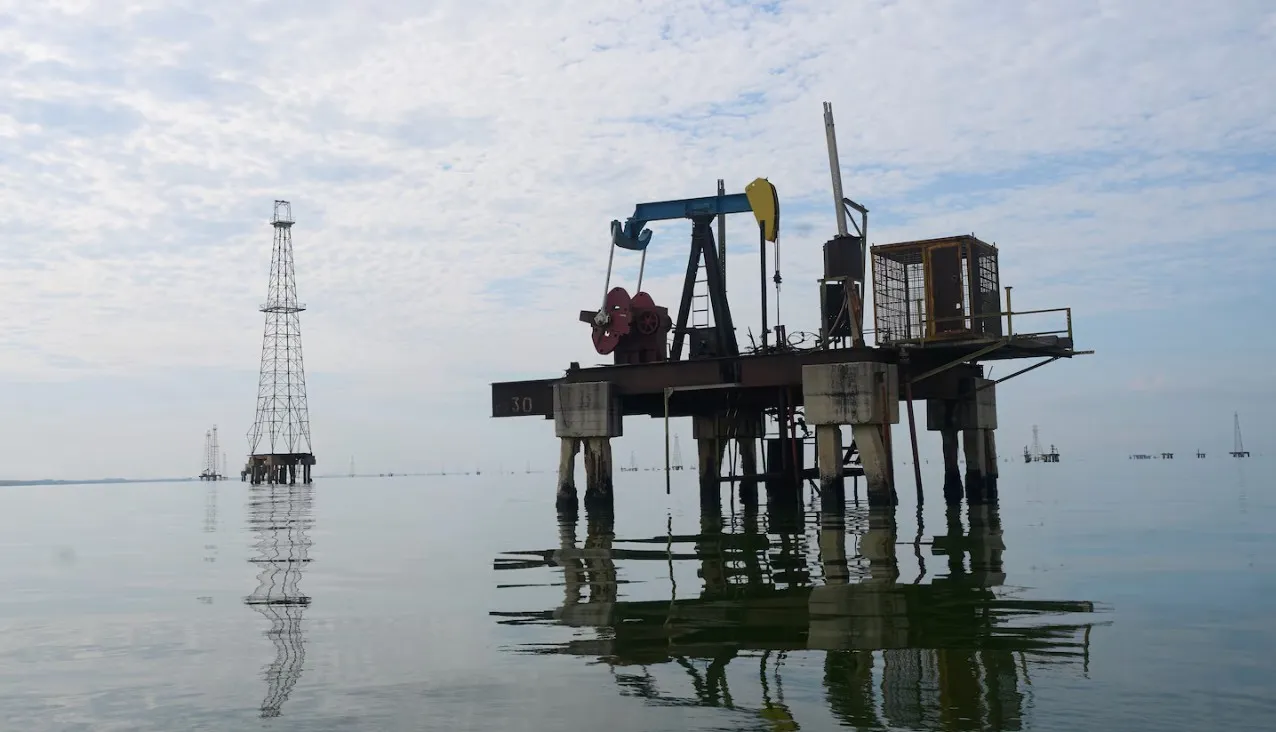
Venezuelas oil exports reportedly generated more than $12 billion in nine months under US control. But conflicting estimates and limited disclosure over the handling of the proceeds have drawn growing scrutiny.
When more than $12 billion in oil revenue has been collected in nine months, the obvious question is where the money has gone. In Venezuela, however, even the amount generated by oil exports remains disputed.
Since US forces captured President Nicolas Maduro on January 3, 2026, Washington has taken charge of Venezuelas international oil sales and the management of the proceeds. An interim government has gradually opened the sector to private companies, while US authorities retain control over the revenue arrangements.
A confidential KPMG report reviewed by The New York Times puts proceeds from Venezuelas natural resource exports at more than $12 billion between January and September. Economist Jose Guerra, cited by Venezuelan outlet Efecto Cocuyo, has a considerably higher estimate. Based on export volumes and oil prices, he puts the figure at between $20 billion and $21 billion.
The difference is difficult to ignore. Chevron has reportedly used some of its oil production to repay debts owed by Caracas, meaning not all sales necessarily appear in the same revenue calculations. NABEP, a local producer reportedly granted a 20% discount, may also account for part of the discrepancy.

Questions Over Revenue and Its Use
There is also little public clarity over the prices at which Venezuelan crude is being sold. Trading houses Trafigura and Vitol have jointly handled international sales since the US intervention, putting their contracts and pricing arrangements under scrutiny.
KPMG was tasked with monitoring transactions through a special account overseen by the US Treasury Department. Its involvement, however, has not answered questions about anti-corruption safeguards or the fees charged. Democratic lawmakers have repeatedly sought a detailed breakdown of the proceeds, but have yet to receive what they consider satisfactory explanations.
That could change with Democrats gaining ground in the November midterm elections. CNBC reports that lawmakers are preparing formal investigations and subpoenas to examine the Trump administrations handling of the revenue.
The agreements have faced legal objections as well. In January, House Democrats warned companies participating in Washingtons oil deals of potential legal exposure, citing nearly $200 billion in claims against Venezuela and its state entities.
Democrats Challenge the Oil Agreements
In September, Democratic senators questioned the legal basis of a deal involving North American Blue Energy Partners (NABEP), led by Venezuelan businessman Alejandro Betancourt. Their concerns included reports that the Pentagon had acquired a 30% stake in the company.
NABEP has secured rights to 17 oil fields with potential reserves of 65 billion barrels. Equipped with machinery imported from the United States, it has reportedly resumed operations in Lake Maracaibo and claims to be producing more than 200,000 barrels a day.
The deal now faces the prospect of closer congressional scrutiny. For the companies involved, that could mean renewed questions over the legal and financial terms of their agreements.
Back in Venezuela, the economic pressure remains severe. Inflation reached a reported 376.9% in October, while the countrys oil wealth continues to be managed through arrangements that ordinary Venezuelans have little visibility into.
Disclaimer:
The views in this article only represent the author's personal views, and do not constitute investment advice on this platform. This platform does not guarantee the accuracy, completeness and timeliness of the information in the article, and will not be liable for any loss caused by the use of or reliance on the information in the article.
WikiFX Broker
Latest News
NZDCHF — Technical Analysis | Ascending Trendline Breakdown...
WikiFXICICI Securities Review: Investigating Profit Deductions, Trade Errors & Customer Support Complaints
WikiFXIndia's US Treasury Holdings Jump $38.4 Billion as RBI Swap Window Draws $127 Billion
WikiFXInterest Rate Forecast: December Fed Hike Bets Support US Dollar
WikiFXSharekhan Review 2026: Reported Fund Transfer Issue & Outdated Trading Software Complaints
WikiFXEUR/USD Weekly Forecast: Euro Stays Down Bad as Fed Hike Bets Put 1.0955 Support in Focus
WikiFXIndia's Financial Sector Leads Overseas Investment; Domestic Interest Rates May Reach 8%
WikiFXEURJPY 1H: 174.57 Floor Breaks – 2 Sell Zones, 150 Pips
WikiFXCatering giant Compass Group to shift main stock market listing to US in further blow to UK
WikiFXUS Dollar Price Forecast: DXY Eases Below 103.98 as Half-Point Fed Bets Fade, EUR/USD and GBP/USD Steady
WikiFX