Basic Information
Registered Region  Canada
Canada Operating Period
1-2 years
Company Name
NiagaraHub


Score
 Canada | 1-2 years |
https://niagarahub.net/
Website
Rating Index
 Forex License
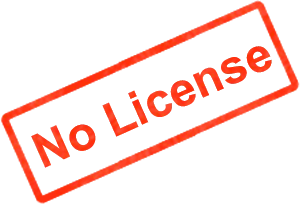
 No forex trading license found. Please be aware of the risks.
Canada 

This section presents the core trading conditions for each account type offered by this broker, including trading environment, maximum leverage, minimum deposit, minimum trade size, spreads, commissions, deposit and withdrawal methods, account currency, EA support, and available trading instruments. It helps users quickly compare account requirements, trading costs, and product coverage, so they can decide whether a specific account type fits their trading needs before opening an account.

This section presents the broker's verified website information, including official websites across different countries and regions, visitor location distribution, and related IP information. Users can use this section to identify the broker's official channels and regional websites, avoid unofficial or impersonation websites, and reduce access and trading risks.
 niagarahub.net United States
 NiagaraHub is a forex broker based in Canada with an operational history of 1-2 years. According to WikiFX assessment, it holds no valid forex trading licenses from any authoritative regulatory body, meaning it operates without financial oversight. The broker offers a tiered account structure with minimum deposits starting from $500 (Starter) up to $5,000,000 (Sovereign), and leverage options ranging from 1:50 to 1:500. With a total WikiFX score of 1.15, this entity is best characterized as an unregulated broker, and traders should be aware that the absence of regulatory supervision eliminates any external mechanism for dispute resolution or account protection. Note: Regulatory status, trading conditions, and risk assessments may vary by jurisdiction. The WikiFX score reflects currently available information.Please verify all entity details independently before trading. (Updated: 2026-07-15)
Based on WikiFX assessment, NiagaraHub holds a total score of 1.15 out of 5, indicating a high-risk profile. The broker operates without any valid forex trading license from a recognized regulatory body, meaning there is no external oversight or deposit protection scheme. Traders should consider the lack of regulatory safeguards when evaluating reliability.
No, NiagaraHub is not regulated. According to WikiFX data, it holds no valid forex licenses from any authoritative financial regulator. The license index is 0.0, confirming the absence of regulatory oversight.
The minimum deposit required to open a live account with NiagaraHub is $500, which applies to the Starter account tier. Higher-tier accounts require significantly larger deposits, up to $5,000,000 for the Sovereign account.
The specific trading platforms (such as MT4 or MT5) are not explicitly listed in WikiFX data for NiagaraHub. However, account conditions permit the use of Expert Advisors (EAs) and scalping, which suggests potential compatibility with popular platforms, but traders should confirm directly with the broker.


 TOP
TOP

Chrome
Chrome Extension
Global Forex Broker Regulation Query
Browse the forex broker websites and identify the legit and fraud brokers accurately
Install