


Broker Globale Piattaforma di Verifica Regolamentare
WikiFX
Italiano
简体中文
繁體中文
English
Pусский
日本語
ภาษาไทย
Tiếng Việt
Bahasa Indonesia
Español
हिन्दी
Filippiiniläinen
Français
Deutsch
Português
Türkçe
한국어
العربية
اردو
FXTRADING Economic Data Summary (Asia-Pacific | 06/17)
Sommario:Bank of Japan Raises Rates to Highest Level in 31 YearsThe Bank of Japan raised its policy rate by 25 basis points to 1.00%, in line with market expectations. This marks the first time since 1995 that
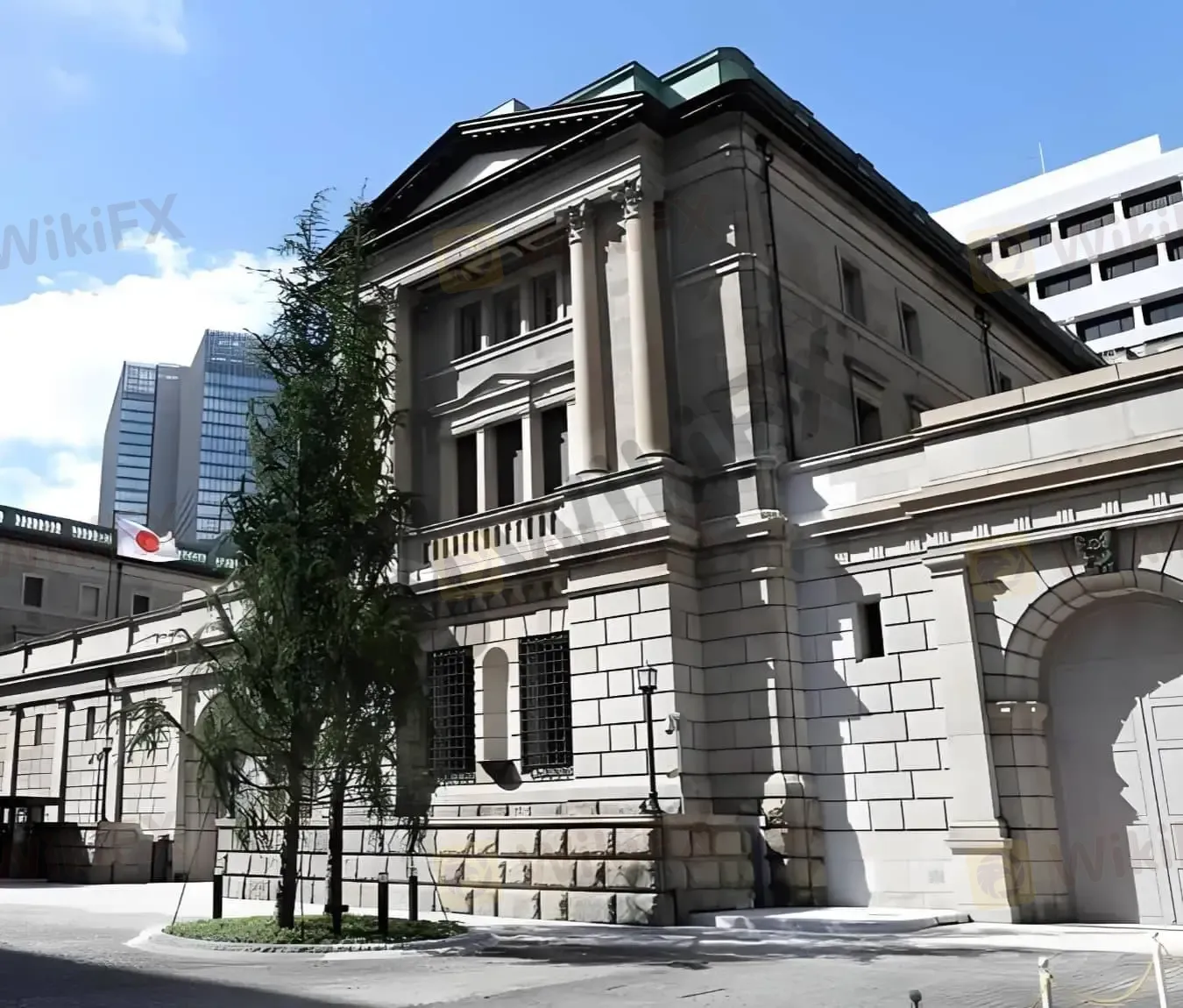
Bank of Japan Raises Rates to Highest Level in 31 Years
The Bank of Japan raised its policy rate by 25 basis points to 1.00%, in line with market expectations. This marks the first time since 1995 that Japanese interest rates have returned to the 1% level and represents the highest rate in 31 years. Following the rate increase from 0.50% to 0.75% last December, the BoJ has taken another step toward exiting its long-standing ultra-loose monetary policy.
The decision was approved by a 7-1 vote, with board member Toichiro Asada casting the sole dissenting vote. He argued that downside risks to the economy stemming from tensions in the Middle East still outweighed inflationary pressures and therefore supported maintaining the current policy stance. FXTRADING believes that the move to a 1.00% policy rate represents another important milestone in Japans monetary policy normalization process. At the same time, the decision to slow the pace of future balance sheet reduction suggests the central bank remains focused on balancing inflation control with financial market stability, leaving room for additional rate hikes in the future.

Reserve Bank of Australia Keeps Rates Unchanged
The Reserve Bank of Australia left its cash rate unchanged at 4.35%, in line with market expectations. However, the accompanying statement indicated that policymakers remain cautious about inflation. Although previous rate hikes have tightened financial conditions and slowed economic growth, both headline and core inflation remain above the central banks target range.
The RBA specifically highlighted the impact of rising energy prices. Higher fuel costs are increasing transportation and business operating expenses, with some of these costs already being passed on to the prices of goods and services. At the same time, weaker consumer spending, a softer housing market, and rising unemployment suggest that earlier monetary tightening is having the intended effect, reducing the need to signal further rate hikes for now. FXTRADING believes that the RBAs decision to hold rates steady reflects a desire to assess the effects of existing policy measures rather than a shift toward a more accommodative stance. If energy prices remain elevated and contribute to renewed inflationary pressure, the RBA may continue to maintain a hawkish bias.

German Economic Expectations Improve Significantly
Germany‘s ZEW Economic Sentiment Index rose sharply from -10.2 to 10.5 in June, far exceeding market expectations of -6.0 and returning to positive territory. The Eurozone sentiment index also improved from -9.1 to 9.5, indicating a notable increase in investor confidence regarding the economic outlook. However, indicators measuring current economic conditions continued to deteriorate, with Germany’s Current Situation Index falling to -81.0 and the Eurozone measure declining to -43.4.
The improvement in sentiment was largely driven by expectations of easing geopolitical tensions. As pressure from energy prices has begun to ease, investors have become more optimistic about future demand and business conditions. Sector-specific data showed particularly strong gains, with expectations for the automotive industry rising by 21.9 points, chemicals and pharmaceuticals increasing by 16 points, mechanical engineering improving by 9.2 points, and expectations for private demand advancing by 11.7 points. FXTRADING believes that the rebound in investor confidence reflects growing optimism about economic conditions in the months ahead. However, current economic activity remains subdued, and further improvement will depend on whether consumer spending, manufacturing activity, and business investment can catch up with improving expectations.

Eurozone Imports Grow Faster Than Exports
The Eurozone recorded a goods trade deficit of EUR 1.0 billion in April, compared with a surplus of EUR 8.7 billion in the same period last year, indicating a significant deterioration in trade conditions. Although exports continued to expand, import growth outpaced exports, causing the overall trade balance to shift from surplus to deficit.
Data showed that Eurozone exports increased by 5.0% year-on-year to EUR 255.4 billion in April, while imports rose by 9.3% year-on-year to EUR 256.4 billion. The broader European Union experienced a similar trend, with its trade balance moving from a EUR 7.3 billion surplus to a EUR 7.1 billion deficit, as imports surged 10.1% while exports grew by only 3.2%. FXTRADING believes that the widening trade deficit reflects stronger import demand relative to export growth. On the positive side, this may indicate a recovery in certain areas of economic activity.
Disclaimer:
Le opinioni di questo articolo rappresentano solo le opinioni personali dell’autore e non costituiscono consulenza in materia di investimenti per questa piattaforma. La piattaforma non garantisce l’accuratezza, la completezza e la tempestività delle informazioni relative all’articolo, né è responsabile delle perdite causate dall’uso o dall’affidamento delle informazioni relative all’articolo.
WikiFX Trader
TICKMILL
Sotto supervisione
FOREX.com
Supervisione del paese
EBC FINANCIAL GROUP
Sotto supervisione
TMGM
Sotto supervisione
FXTM
Sotto supervisione
Exness
Sotto supervisione
TICKMILL
Sotto supervisione
FOREX.com
Supervisione del paese
EBC FINANCIAL GROUP
Sotto supervisione
TMGM
Sotto supervisione
FXTM
Sotto supervisione
Exness
Sotto supervisione
WikiFX Trader
TICKMILL
Sotto supervisione
FOREX.com
Supervisione del paese
EBC FINANCIAL GROUP
Sotto supervisione
TMGM
Sotto supervisione
FXTM
Sotto supervisione
Exness
Sotto supervisione
TICKMILL
Sotto supervisione
FOREX.com
Supervisione del paese
EBC FINANCIAL GROUP
Sotto supervisione
TMGM
Sotto supervisione
FXTM
Sotto supervisione
Exness
Sotto supervisione
Rate Calc
USD

CNY
Tasso di cambio attuale:0
inserisci l'importo
USD
A disposizione
CNY
Calcolare 