Punteggio
Retela
https://www.retela.co.jp
Sito ufficiale
Indice di valutazione
Rapporto di capitale
Perfect
Capitale
Influenza
C
Indice di influenza NO.1
Rapporto di capitale
Perfect
Capitale
Influenza
Influenza
C
Indice di influenza NO.1
Contatto
Licenza Forex 1
Single core
1G
40G
1M*ADSL
- Le informazioni attuali mostrano che questo broker non dispone di un software di trading. Si prega di essere consapevoli!
Gli utenti che hanno visualizzato Retela hanno visualizzato anche..
AvaTrade
ACY Securities
STARTRADER
DBG MARKETS
Relazioni Genealogia
Società collegate
Profilo Aziendale
Informazioni generali e regolamento
RetelaCrea Securities ha sede in Giappone e si occupa principalmente di strumenti finanziari. Misawaya Securities, fondata nel 1947, e Imagawa Securities, fondata nel 1916, si sono fuse nel 1999 per diventare Imagawa Misawaya Securities. da allora, il nome dell'azienda è stato cambiato in Retela crea titoli nel 2001. Retela Crea Securities è regolamentata dalla Financial Services Agency (FSA) del Giappone, con numero di certificato normativo 4010001058041.
Strumenti di mercato
RetelaCrea Securities mette a disposizione degli investitori una serie di strumenti finanziari, tra cui azioni domestiche, azioni estere, fondi comuni di investimento, titoli di stato personali, obbligazioni in valuta estera, ecc.
RetelaServizi
RetelaCrea Securities fornisce agli investitori servizi di assistenza alla famiglia, attività di acquisto di titoli di stato giapponesi per depositi personali, sconti di segnalazione clienti, servizi di cash back per commissioni di trasferimento titoli quotati, eredità e regali, ecc.
RetelaCommissioni
Per le azioni statunitensi, oltre all'importo del contratto (numero di azioni*prezzo del contratto), la commissione per le transazioni di spedizione all'estero richiede anche commissioni di intermediazione nazionali, commissioni di intermediazione estere ed eventualmente commissioni varie; la commissione per le transazioni over-the-counter domestiche è l'importo del contratto (numero di azioni*prezzo della transazione).
Orari di negoziazione
Gli orari di negoziazione del mercato azionario nazionale variano. Ad esempio, gli orari di negoziazione della Borsa di Tokyo sono dalle 9:00 alle 11:30 e dalle 12:30 alle 15:00, mentre gli orari di negoziazione della Borsa di Nagoya, della Borsa di Fukuoka e della Borsa di Sapporo sono 9 :00-11:30, 12:30-15:30
RetelaRischio
Ogni prodotto e transazione presenta il rischio di perdita a causa delle fluttuazioni dei prezzi, delle fluttuazioni dei tassi di interesse, delle fluttuazioni dei tassi di cambio e della situazione finanziaria dell'emittente. A seconda del prodotto o della transazione, la perdita può superare il capitale dell'investimento. Inoltre, le obbligazioni in valuta estera presentano anche rischi paese, ovvero, a causa delle turbolenze politiche, economiche e sociali del paese investito, il commercio di obbligazioni è limitato, il che può causare perdite.

Ritratto aziendale
- 15-20 anni
- Regolamentato in Giappone
- Market Making (MM)
- Ambito dell' attività sospetto
- Rischio potenziale medio
Domande e risposte Wiki
Can you tell me what the typical spread is for the EUR/USD pair on a standard Retela account?
Drawing on my own experience and a careful review of the available information about Retela, I can say that their typical spreads for major currency pairs—like the EUR/USD—are described as highly competitive, starting from as low as 0.1 pips on standard accounts. In practice, this suggests a tight spread environment, which, for me, is essential in minimizing trading costs, particularly if I am executing multiple or high-volume trades. However, it’s important to keep in mind that while the indicated minimum spread is 0.1 pips, actual spreads will often fluctuate due to factors such as market volatility, liquidity conditions, and broader economic events. One reason I take such quoted spreads cautiously is because conditions in the forex market can change rapidly, especially around major news releases or during periods of lower liquidity. While a starting spread of 0.1 pips is promising, in real-world trading the average spread can often be higher, especially during off-peak hours or unexpected market moves. I also make sure to account for the possibility of commissions or other charges that may affect the all-in trading cost, depending on the account type. In my view, a broker listing spreads from 0.1 pips does align with industry standards for a regulated and competitive firm, but I always compare actual trading conditions during live market hours. It's important to verify such details directly with Retela if transparent, especially before making any significant trading commitments.
What is the minimum deposit required to open a live trading account with Retela?
Based on my careful review of the available information, opening a live trading account with Retela requires a minimum initial deposit of $1,000 for their Standard Account. If you are considering the Premium Account, the minimum deposit increases to $10,000. For me, knowing the minimum deposit is vital for planning my risk management and sizing my positions appropriately. I always make it a point to clarify these requirements directly with a broker before moving funds, as minimum thresholds can impact my trading flexibility and overall experience. I also believe it’s important to consider that while a higher minimum may suggest a certain level of service or platform stability, it can also limit accessibility for those new to the market. For my own due diligence, I carefully assess whether the account benefits, spreads, and service level match the capital I must commit. Moreover, understanding the minimum deposit is just one part of broker assessment; I always take additional steps to verify transaction transparency and customer support responsiveness before depositing significant funds. While Retela’s regulated status is reassuring, I approach all new fund transfers conservatively and recommend others do the same.
Can you outline the primary advantages and disadvantages of trading with Retela?
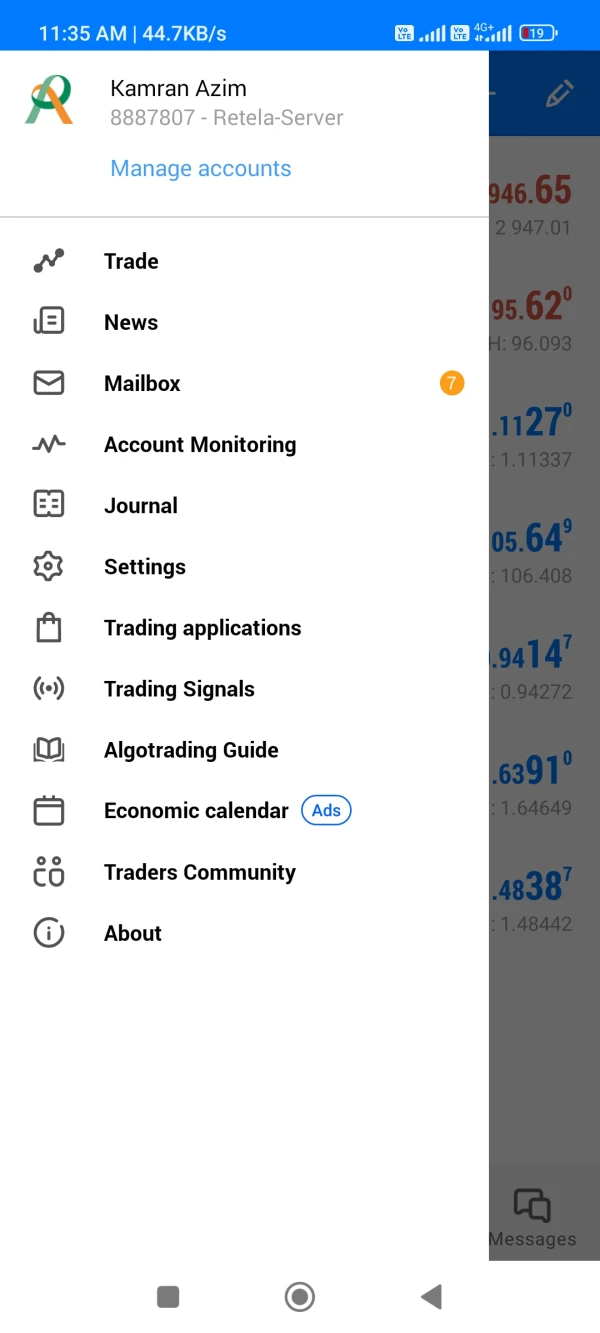
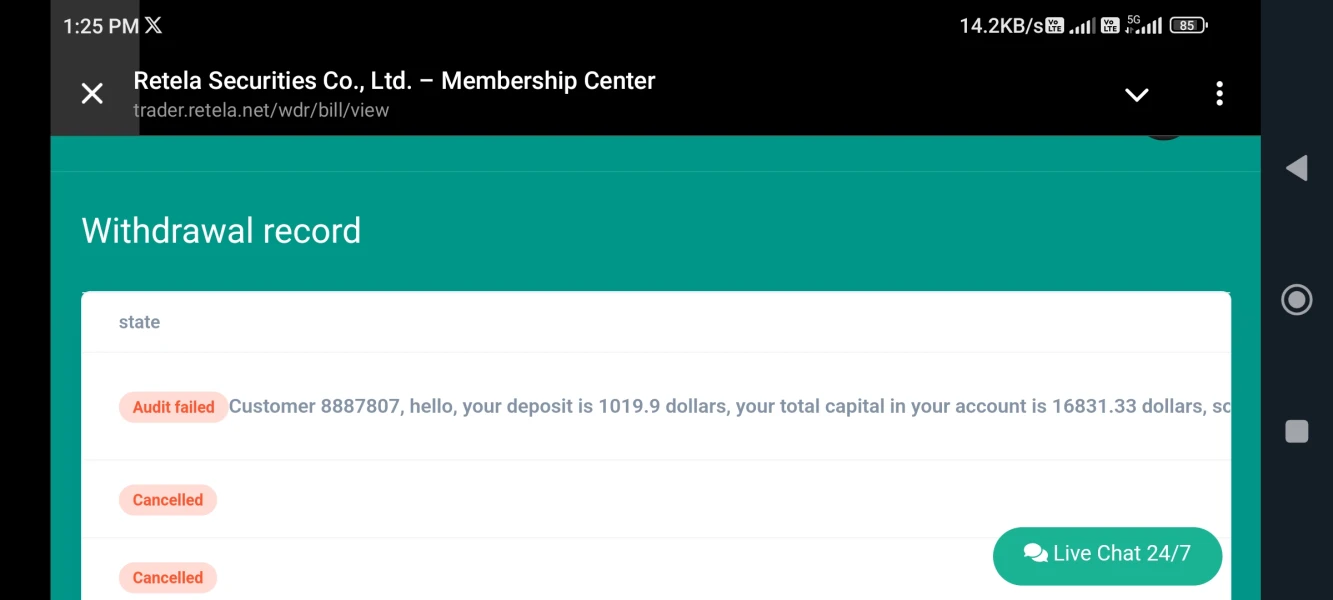
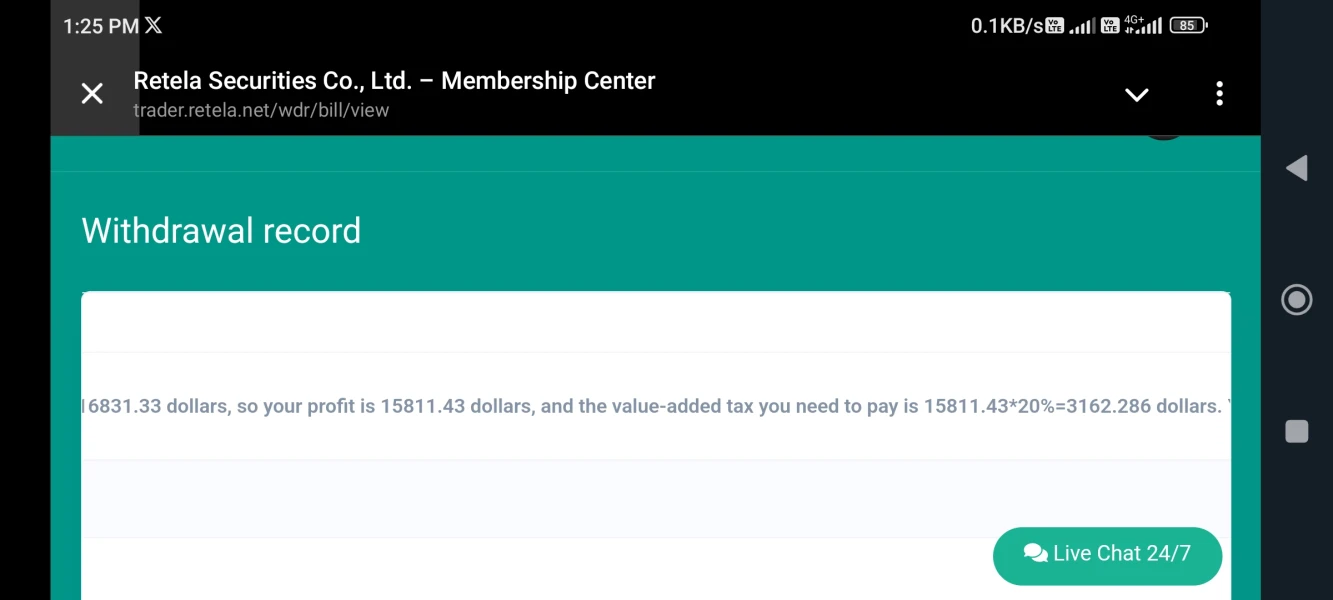
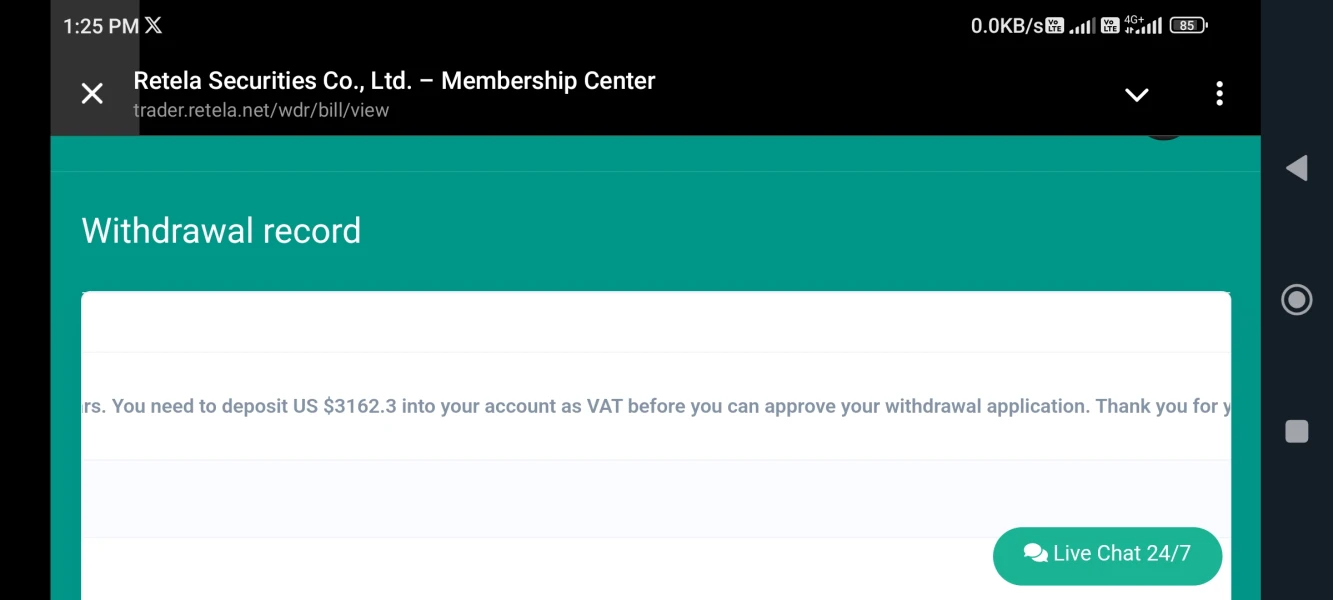
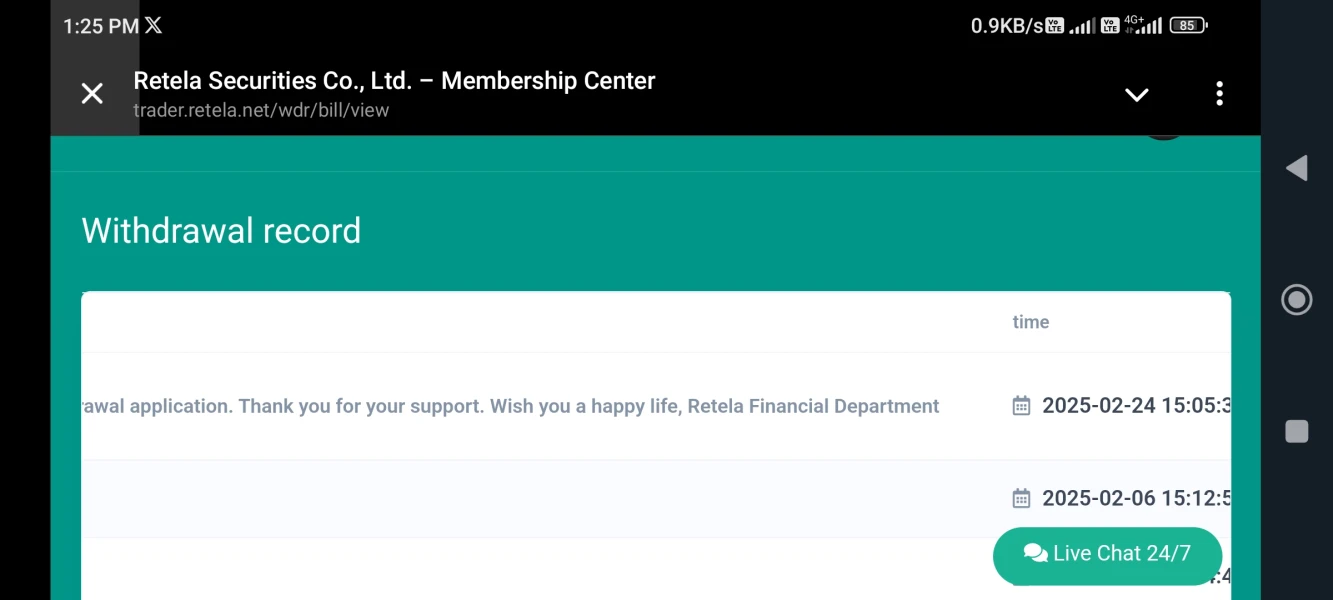
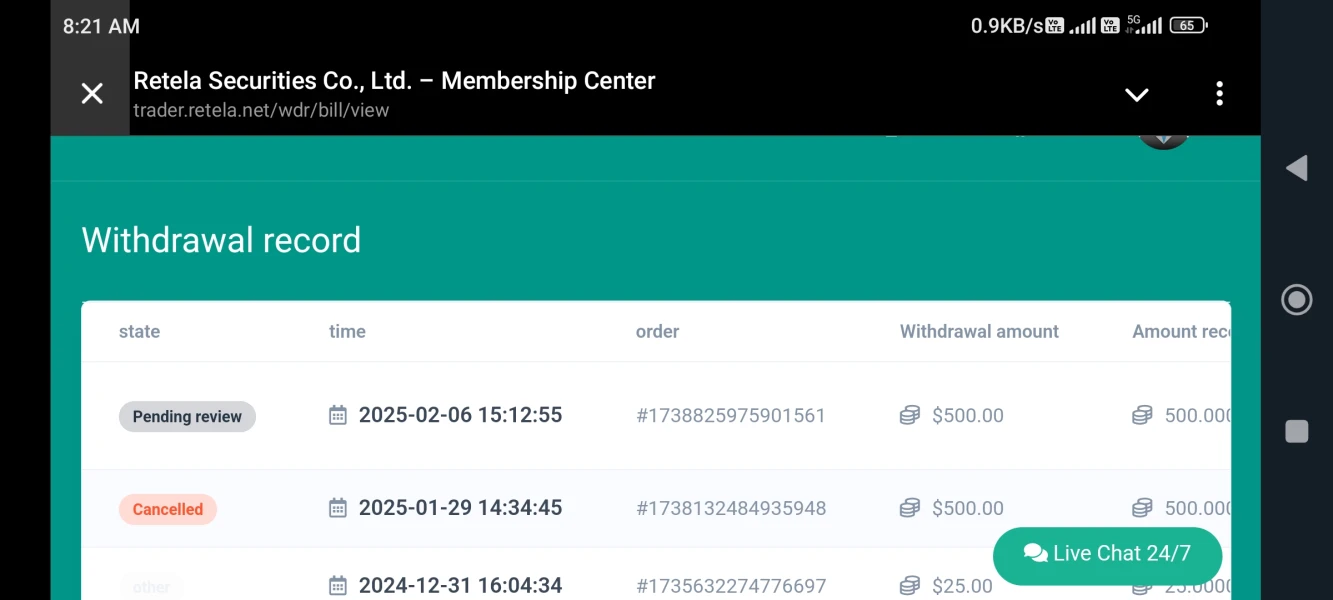
Having traded with numerous brokers over the years, I’ve learned the importance of closely evaluating both strengths and potential shortcomings before committing significant capital. Retela stands out to me primarily for its long-standing regulatory status under Japan’s Financial Services Agency (FSA), which creates a higher sense of security compared to brokers lacking formal oversight. For me, this regulation signals that certain compliance standards are in place, but it does not eliminate all risks inherent in active trading. The range of instruments available at Retela—including domestic and foreign stocks, bonds, trusts, and forex—offers appealing flexibility when I want to diversify beyond currency trading. Their spreads, starting from 0.1 pips on major forex pairs, are indeed competitive and can make a noticeable difference to my execution costs over time. The broker’s trading platform also strikes a good balance between user-friendliness and advanced functionality, which I find useful when monitoring multiple markets simultaneously. On the downside, I do find the fee structure rather complex. For someone like me, understanding the total cost of trading is essential, and the mix of commissions and potential non-transparent charges can be confusing. I also recognize that much of their market focus and support is Japan-centric, which could create language or accessibility barriers for those not familiar with the region. Critically, some clients have reported significant delays or issues with withdrawals, even mentioning requests for additional deposits—something I view with utmost caution, as smooth, hassle-free access to funds is fundamental. In conclusion, while Retela offers some significant regulatory and trading advantages, I would strongly suggest weighing these against the operational and client support concerns that have surfaced. I prioritize regulatory protections and market choice, but any hint of withdrawal issues reminds me to proceed with greater vigilance, keeping risk management and due diligence at the forefront of any trading decision.
How do the different account types provided by Retela compare to each other?
In my experience exploring Retela’s platform, I found that the broker offers two main account types: Standard and Premium. For me, the most immediate difference is the minimum deposit: the Standard account requires $1,000, which is more approachable for those new to trading, whereas the Premium tier demands a $10,000 minimum, targeting more established or ambitious traders. Both accounts provide access to a diverse range of instruments, which includes domestic and international stocks, bonds, and forex, so I didn’t feel limited regardless of my account choice. When evaluating costs, I noticed the Standard account allows for commission-free forex trading, which can be attractive if I want to keep my expenses transparent and predictable. The Premium account introduces a small commission per trade but might offer perks in terms of tighter spreads or priority support—although the specifics weren’t fully transparent to me during my research, so I would advise others to clarify this directly with the broker. Leverage can be as high as 1:500 for major forex pairs in both types, but higher leverage is a double-edged sword; I’m always careful with it and recommend a conservative approach to risk. While both account types share access to the same trading platform and customer service, I did note that support seems more robust in person or over the phone, which could be a consideration if online help is important to you. Overall, the Standard account may suit newer or cautious traders like myself, prioritizing lower barriers to entry, while the Premium account is geared toward those seeking potentially added benefits and are comfortable with higher capital commitment and more complex fee structures. Given the inherent risks and the limited clarity around certain privileges, I personally would confirm all terms before upgrading or investing significant amounts.
Feedback degli utenti2
Commento 2


Chrome
Estensione Chrome
Inchiesta sulla regolamentazione del broker Forex globale
Sfoglia i siti Web dei broker forex e identifica accuratamente i broker legittimi e fraudolenti

Installa ora