

عالمی بروکر ریگولیشن چیک کرنے والا ایپ
WikiFX
اردو
简体中文
繁體中文
English
Pусский
日本語
ภาษาไทย
Tiếng Việt
Bahasa Indonesia
Español
हिन्दी
Filippiiniläinen
Français
Deutsch
Português
Türkçe
한국어
العربية
اردو


U.S. August CPI Released, Rate Hike Now Seen as Nearly Certain


خلاصہ:[Figure 1: U.S. August CPI Data | Source: ZeroHedge]U.S. August CPI Shows Inflationary Pressures RemainLast Friday (September 11), the highly anticipated U.S. August Consumer Price Index (CPI) report
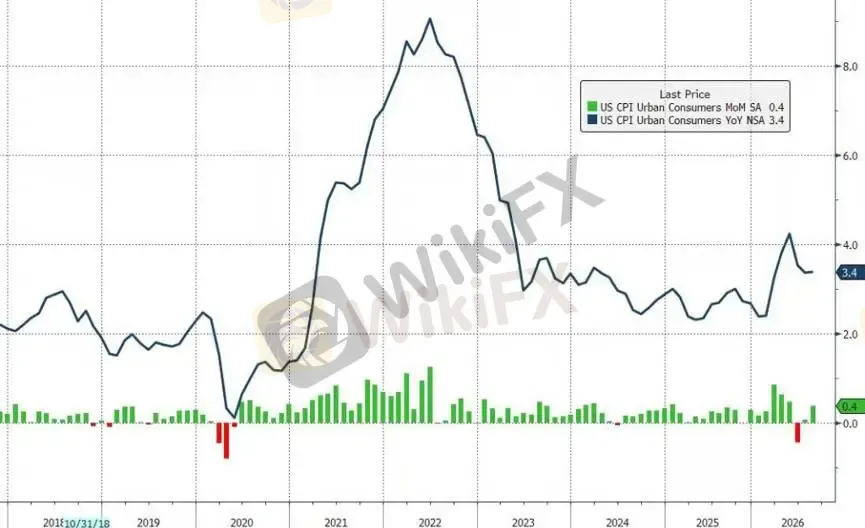
[Figure 1: U.S. August CPI Data | Source: ZeroHedge]U.S. August CPI Shows Inflationary Pressures Remain
Last Friday (September 11), the highly anticipated U.S. August Consumer Price Index (CPI) report was finally released. According to data published by the Bureau of Labor Statistics, headline CPI rose 3.4% year over year in August, as shown in Figure 1, in line with market expectations.
One particularly important detail deserves attention. As we noted last week, we had expected U.S. core CPI to rise 0.2% month over month in August. We also cautioned that a reading above 0.2% could reignite market concerns over inflation and increase the likelihood of another Federal Reserve rate hike.
As shown in Figure 2, core CPI rose 0.29% month over month in August, exceeding expectations. On a year-over-year basis, however, the rate eased from 2.5% to 2.446%.
This combination of near-term acceleration and longer-term moderation sends a mixed but important signal. While the broader inflation trend appears to be stabilizing in the direction the Federal Reserve would like to see, short-term price pressures remain persistent.
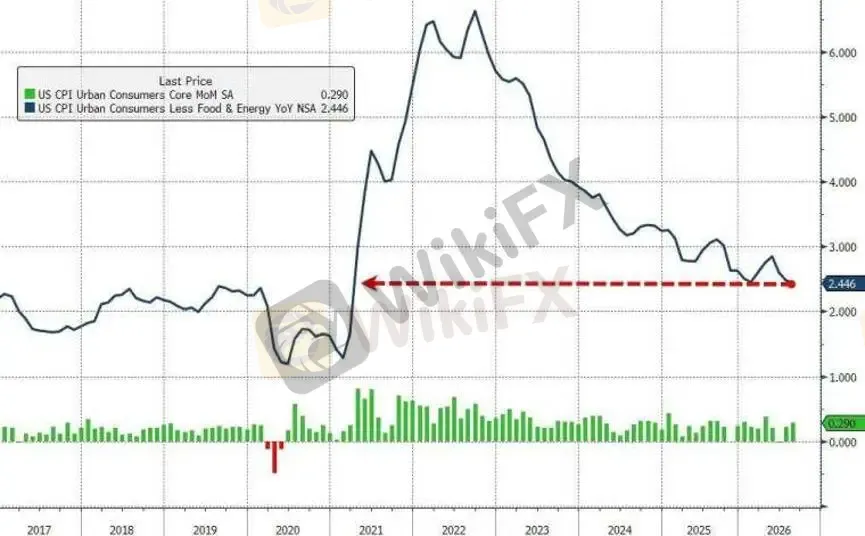
[Figure 2: U.S. August Core CPI Data | Source: ZeroHedge]Rate-Hike Odds Approach 90% as Market Direction Becomes Clearer
Following the latest nonfarm payrolls report and the release of the August CPI data, inflation remains a key concern for financial markets.
According to the latest CME data released today (September 14), shown in Figure 3, the probability of a Federal Reserve rate hike at its September meeting has climbed to 86.2%, well above the 60% and 72.4% levels seen last week. With the implied probability now approaching 90%, markets increasingly view a rate hike at the upcoming FOMC meeting as the base-case scenario.
On the geopolitical front, tensions between the United States and Iran remain elevated. According to the latest developments, the U.S. has publicly acknowledged Iranian airstrikes targeting U.S. military bases in Jordan and Bahrain.
On the economic front, the U.S. Treasury has launched Operation Economic Outcast, an initiative targeting trade networks believed to be covertly assisting Iran. The campaign involves identifying relevant entities and imposing a series of economic sanctions aimed at cutting off potential sources of financial support and further weakening Iran's military capabilities.
President Trump has also recently commented on both Federal Reserve monetary policy and U.S. military plans involving Iran. On interest rates, Trump said U.S. rates should be the lowest in the world, reflecting his preference for policies aimed at strengthening America's trade position and reducing trade deficits. His comments once again highlight his strong focus on financial markets and economic competitiveness.
Regarding the conflict with Iran, Trump said he believes the war could end around the time of the U.S. midterm elections, adding that he has a clear plan in place. However, given the market's previous experience with his tendency to retreat from aggressive positions, often referred to as the "TACO" trade, investors appear reluctant to place significant confidence in those remarks.
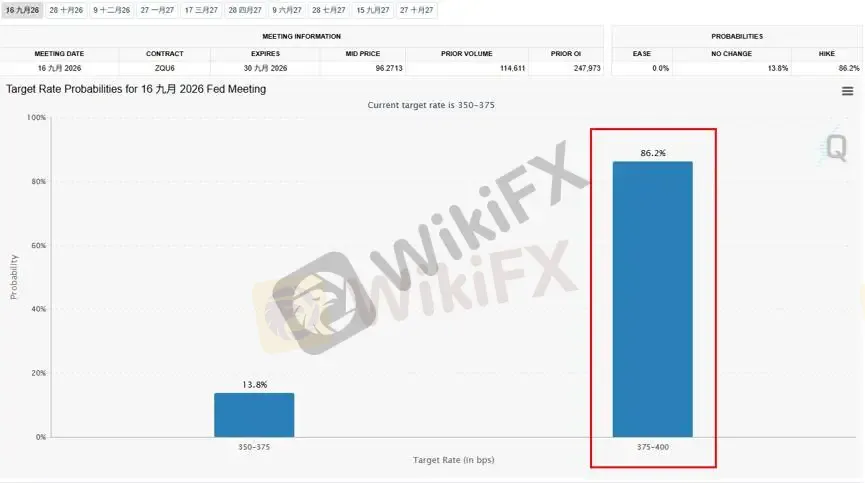
[Figure 3: Probability of a U.S. Rate Hike at the September Meeting | Source: CME]
Elevated Oil Prices Highlight Geopolitical Inflation Risks
The latest moves in crude oil prices also reflect the impact of geopolitical tensions.
As shown in Figure 4, international crude oil prices remain above $100 per barrel and are currently trading near $108. After rebounding sharply from a midyear low of around $70, oil has returned to elevated levels. The move provides a clear market-based reflection of escalating tensions between the United States and Iran.
Persistently high energy prices could also complicate the inflation outlook, particularly at a time when markets are already reassessing the path of U.S. monetary policy.
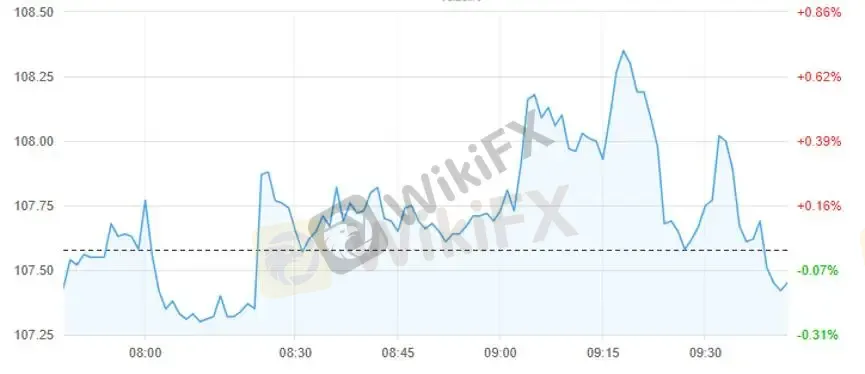
[Figure 4: UKOIL | Source: WantGoo]Risk Disclaimer
The views, analysis, research, prices, and other information provided above are intended solely as general market commentary and do not represent the position of this platform. Readers should independently assess all relevant risks and exercise caution when making trading or investment decisions.
ڈس کلیمر:
یہ مضمون صرف مصنف کی ذاتی رائے پر مبنی ہے، یہ پلیٹ فارم کی سرمایہ کاری کی مشورہ نہیں ہے۔ پلیٹ فارم مضمون کی معلومات کی درستگی، مکملیت اور بروقت ہونے کی کوئی ضمانت نہیں دیتا، اور مضمون کی معلومات پر اعتماد یا استعمال سے ہونے والے کسی بھی نقصان کی ذمہ داری قبول نہیں کرتا۔
